


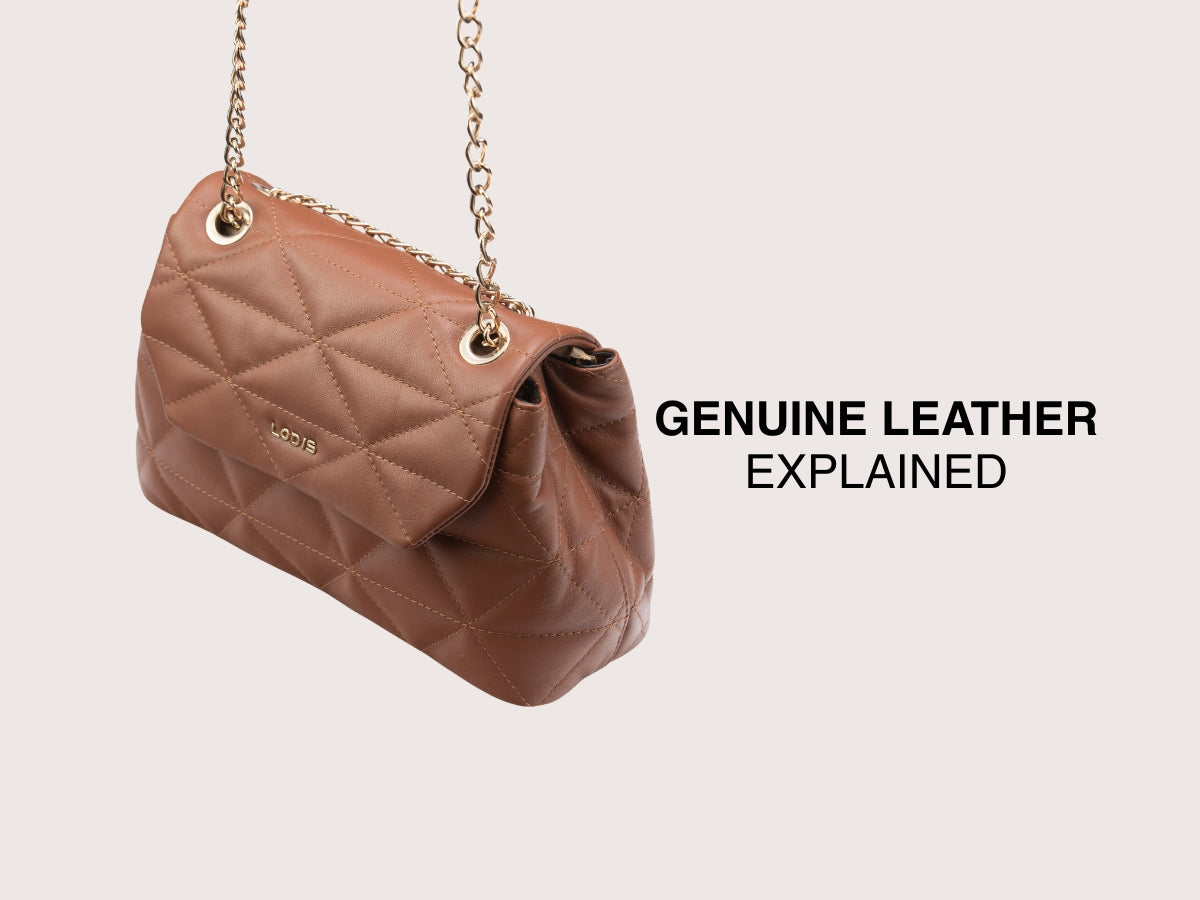
Genuine Leather Explained: What It Means And Why It Matters
Genuine leather is real leather made from an actual animal hide, not a synthetic imitation. It offers natural durability, a distinct texture, and the kind of everyday wear that only true leather can deliver.
Shopping for a new handbag or wallet often means running into a wall of leather terms. Full grain, top grain, genuine, vegan, faux. It can feel like you need a glossary just to make a confident choice, especially when the terms sound similar but describe very different materials.
Genuine leather is one of the most common terms you will see and also one of the most misunderstood. Some shoppers assume it means the leather is somehow less authentic, when in fact it simply describes real, natural hide that has been processed for everyday use. The confusion usually comes from unfamiliarity rather than anything about the material itself.
At Lodis, genuine leather has been the foundation of our handbags and accessories since 1965, so we get a lot of questions about what the term actually means. Once you understand it, choosing the right bag or wallet becomes a lot less confusing. This guide breaks down what genuine leather is, how it compares to other materials, and what to look for when you want something built to last.
What Is Genuine Leather?
Simply put, genuine leather is real leather. It comes from actual animal hide that's gone through tanning to make it durable and workable for things like bags and wallets. It's not synthetic, not an imitation, nothing manufactured to look the part. If it says genuine leather, what you're holding started out as an actual hide, not a lab-made stand-in like faux leather. And because it's a natural material to begin with, it comes with a few advantages synthetics just can't fake.
Here's what you actually get with genuine leather:
- It holds up: Daily handling, weather, and general wear - it takes all of it better than most synthetic materials
- No two pieces look the same: Natural variation in the grain means your bag has its own character, not a copy-paste texture
- It ages instead of aging out: Over time it develops a patina rather than just looking worn down
- It breathes: Which helps it keep its shape and stay comfortable through years of use
- It stays flexible: Even with everyday handling, it doesn't lose its structure the way cheaper materials do
What Are The Types Of Leather & Where Does Genuine Leather Fit?
Walk into any leather goods conversation and you'll hear a handful of terms thrown around like everyone's supposed to already know the difference. Here's the short version:
- Full-grain leather: The top layer of the hide, grain left exactly as it is. This is what shows up in the pricier, premium pieces
- Top-grain leather: One layer down from full-grain, sanded smooth and refinished for a cleaner look
- Genuine leather: Real hide, processed and finished to be consistent and easy to work with
- Bonded and faux leather: Bonded is pressed-together leather scraps; faux is just plastic made to look like leather
So where does genuine leather land in all this? It's real, the same as full-grain and top-grain, just not from a hide's rawest layer. That's the whole distinction, really: full-grain and top-grain versus genuine comes down to how the hide's processed, not whether it's authentic. And it's nothing like bonded or faux, which aren't working with a full, real hide to begin with.
At a glance, here is how genuine leather stacks up against the other common leather types you will come across while shopping.
| FEATURE | FULL-GRAIN | TOP-GRAIN | GENUINE | BONDED | FAUX |
| Source | Outer hide layer | Layer below full-grain | Real, processed hide | Leather scraps | Fully synthetic |
| Durability | Very high | High | Strong | Lower | Cracks over time |
| Texture | Most natural | Smooth, refined | Natural grain | Uniform, artificial | Manufactured |
| Breathability | Excellent | Good | Good | Limited | Limited |
| Aging | Rich patina | Ages well | Natural patina | Doesn’t improve | No character |
| Price Point | Premium | Mid to high | Accessible | Budget | Budget |
Genuine leather holds its own as authentic, natural leather. It offers a practical balance between the premium qualities of full-grain and top-grain leather and the accessibility that makes it such a popular choice for everyday handbags and wallets.
Is Genuine Leather Good For Handbags And Wallets?
Handbags and wallets are two of the most heavily used accessories in a daily routine, which makes the material they're made from especially important. Genuine leather is well suited to that kind of constant use: it holds its shape, resists everyday wear, and only grows more comfortable and refined the longer it's used. Here's how that plays out for each.
Genuine Leather Handbags
A handbag takes more of a beating than people realize. It gets tossed onto car seats, set down on who-knows-what surfaces, and packed for trips, all while it's expected to hold its shape and still look good. Genuine leather is built for that kind of everyday punishment, especially when it's got some texture to it.
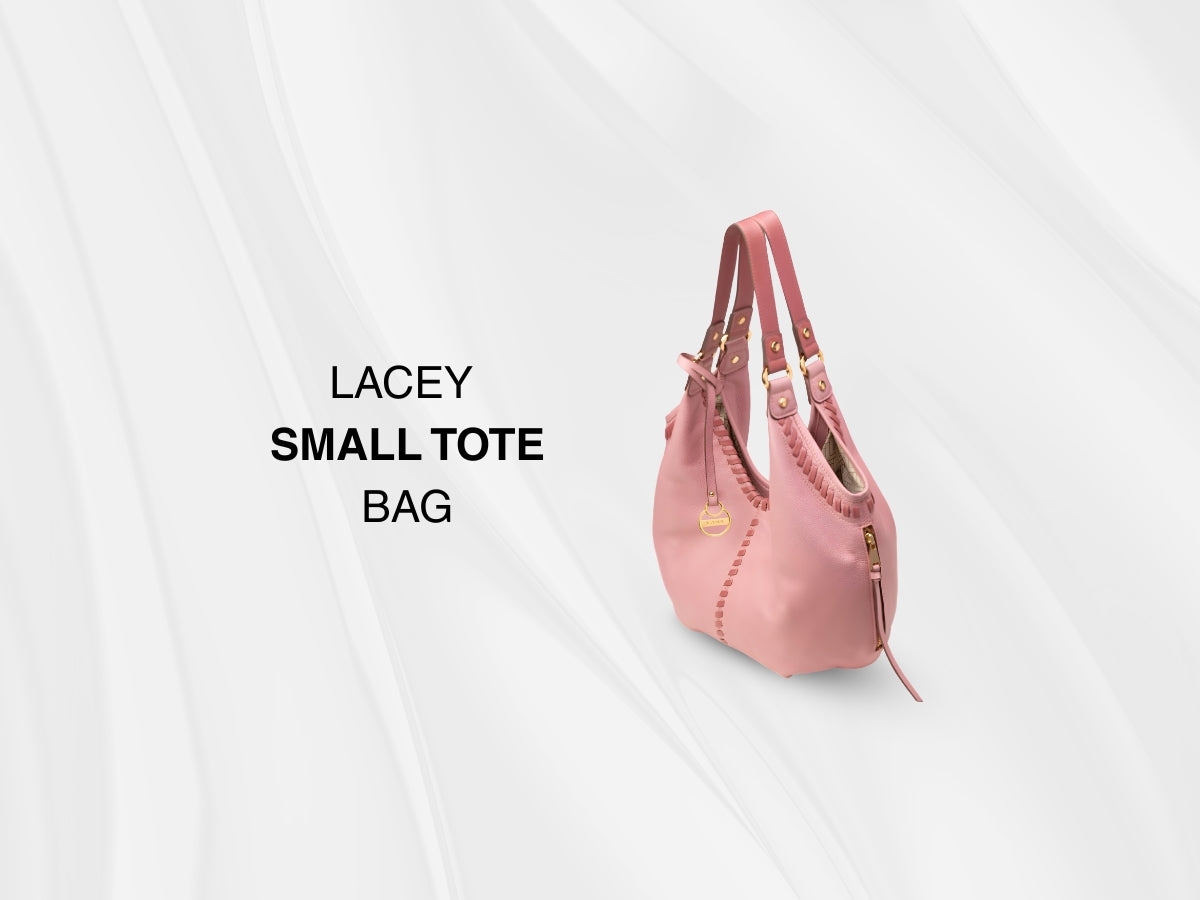
Take the Lacey Tote Small. It's made from drum-dyed pebbled genuine leather, and that texture does real work; it hides the small scuffs that would show up on a smoother finish while keeping the bag light enough to actually carry around all day. The interior's roomy and organized too, so it can hold your daily essentials without the outside showing any strain. If you want a bag that gets better looking the more you use it, this is the material for that.

Genuine Leather Wallets
Wallets deal with a different kind of wear. They're opened and shut constantly, shoved in pockets, dropped into bags, and handled more than almost anything else you own. Genuine leather takes that in stride; it's flexible enough to bend without cracking but sturdy enough to keep its shape after years of use.
The Audrey Large Flap Wallet shows this well. It's made from smooth genuine cowhide that stays soft through all that handling without ever losing its structure.

The Audrey Deluxe Checkbook Clutch Wallet does the same job in a smooth finish, holding up to daily use without going stiff or misshapen. For something that gets touched dozens of times a day, genuine leather just keeps up.

How To Choose A Genuine Leather Product
Not all genuine leather products are created equal, so knowing what to look for helps you choose a piece that will genuinely last.
- Read the product description carefully: Confirm the material is listed as genuine leather rather than a leather blend or synthetic alternative
- Examine the grain: Genuine leather has natural texture and slight imperfections, which are signs of authenticity rather than flaws
- Touch and flex it: A quality genuine leather piece should feel supple and flexible, not stiff or rigid
- Check the finishing: Look closely at seams, stitching, and edges, since well-made genuine leather pieces are finished with care
- Assess the hardware: Zippers, clasps, and buckles should feel sturdy and match the overall quality of the leather
- Think about how it will be used: Choose a leather type and finish suited to your daily habits, whether that means a structured tote or a compact wallet
With these details in mind, choosing a genuine leather handbag or wallet becomes a much more straightforward process.
How To Care For Genuine Leather?
Genuine leather doesn't ask for much. No special products, no complicated routine, just a few habits that keep it looking good instead of tired.
- Wipe it down now and then: A soft, dry cloth handles dust and everyday grime before it has a chance to settle in
- Condition it every couple of months: This keeps the leather soft and helps stave off cracking, especially if you're somewhere dry
- Keep it out of direct sun and heat: Leave it on a radiator or a sunny windowsill too long and it'll dry out and fade
- Skip the plastic bags: A breathable dust bag is better for storage; plastic traps moisture and that's never good for leather
- Deal with spills right away: Blot it, don't rub, and let it dry on its own away from any heat source
- Don't overpack it: A bag stuffed past its limit will stretch and strain at the seams over time
That's really it. Ten minutes here and there, and the leather pays you back by aging into something better, not something that just wears down.
In Conclusion, Is Genuine Leather Worth It?
When you weigh it against the alternatives, genuine leather earns its place as a smart middle ground. It costs less than full-grain or top-grain leather, but it still delivers what synthetic and bonded materials simply cannot: a natural material that holds up to real use and only grows more comfortable and refined over time.
Choosing a leather bag or wallet does not have to feel like decoding a glossary. Once you understand what genuine leather actually is, real hide, naturally textured, built to age well, it becomes clear why it has stayed a go-to choice for accessories people rely on every day, not ones they simply display on a shelf.
That balance of durability, character, and accessibility is exactly why Lodis has built its collection around genuine leather since 1965. It remains one of the most dependable materials you can choose for a bag or wallet meant to last, and one that only gets better with use.
Frequently Asked Questions
Q1. Is genuine leather actually real leather?
Yes, it is. The name confuses people, but genuine leather comes from real animal hide, just like full-grain or top-grain. The difference is in how it's processed, not whether it's authentic.
Q2. How is genuine leather different from faux leather?
Faux leather is plastic dressed up to look like leather. It might fool you on day one, but it cracks and peels with time. Genuine leather does the opposite; it softens and develops character the more you use it.
Q3. How long will a genuine leather bag actually last?
Years, if you treat it decently. A lot of Lodis customers have carried the same bag for a decade or more. Leather doesn't wear out the way synthetic materials do; it settles in.
Q4. Does genuine leather need special care?
Not really. Wipe it down when it gets dusty, condition it every couple of months, and keep it out of direct sun. That's about it. It's more forgiving than people expect.
Q5. Is genuine leather a good investment?
If you're going to use the bag or wallet daily, yes. You're paying for something that ages well instead of something you'll replace in a year or two.


Leave a comment
This site is protected by hCaptcha and the hCaptcha Privacy Policy and Terms of Service apply.